the workshop celebrated not only the creation of the important resource but also the collaboration between Taiwan, Saint Lucia
 A new Kwéyòl–English Online Dictionary was recently created by Mr. Jimmy Chiu, a young intern from Taiwan who was attached to the Taiwan Technical Mission (TTM) over the past six months.
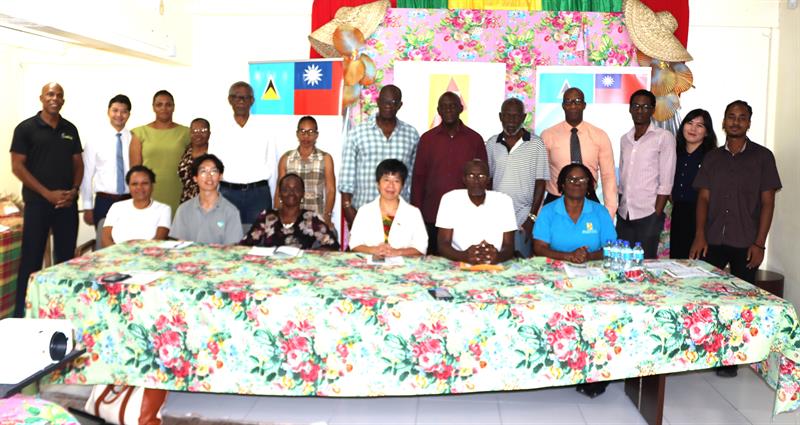
On Tuesday, January 20, 2026, the Taiwan Embassy, in collaboration with Msgr. Patrick Anthony Folk Research Centre (FRC), hosted a technical workshop at Barnard Hill, Castries, where Mr. Chiu shared his knowledge of the software, demonstrated how the dictionary works, and guided those in attendance on how the system can be maintained.
Attendees at the workshop included Senator Embert Charles, Chairman of FRC; Mr. Melchior Henry, Acting Executive Director of FRC; Mrs. Criscel Augustin, Curriculum Officers from the Ministry of Education; Mr. Daniel Lee, Chief of Mission at the Taiwan Technical Mission (TTM) in Saint Lucia; members of the Kwéyòl Language Committee, linguists, and software developers.
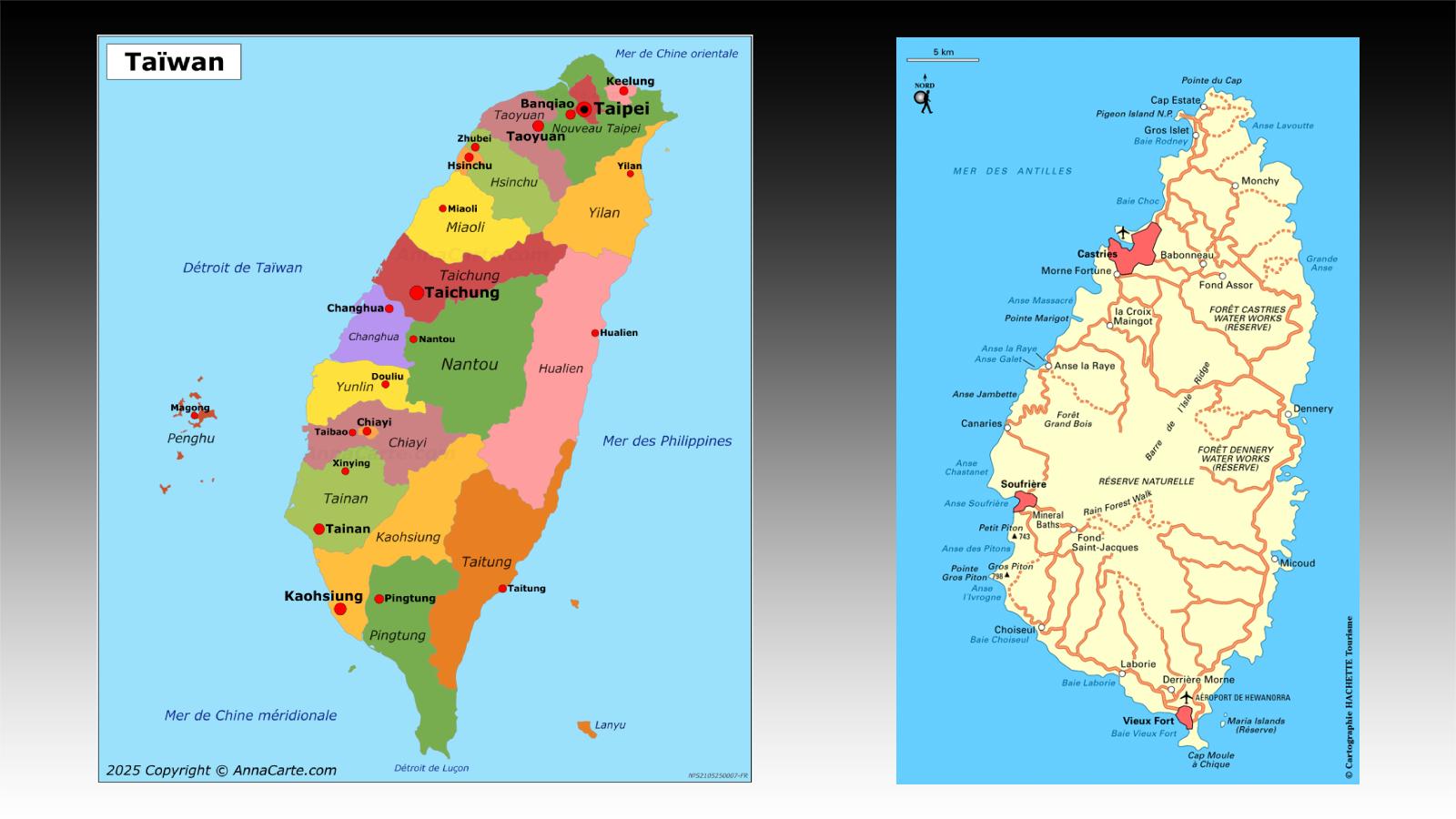
In her remarks at the ceremony, H.E. Nicole Su, Taiwan’s Ambassador to Saint Lucia, said the workshop celebrated not only the creation of the important resource but also the collaboration between Taiwan, Saint Lucia, and the many people who made this possible.
“This project is very close to my heart,” she said. “I have always been passionate about languages and their preservation. Kwéyòl, the Creole language of Saint Lucia, is a precious part of your cultural heritage. I felt strongly that it should be preserved and made accessible for future generations.”
Ambassador Su noted that despite published print dictionaries being available, there has never been a fully functional online Kwéyòl–English dictionary until now, with the digital version making the language accessible to a wider audience, including students, educators and language enthusiasts, ensuring that it remains alive and relevant.
She recalled meeting initially with key stakeholders to discuss the project, including Prime Minister Hon. Philip J. Pierre, Deputy Prime Minister Hon. Dr. Ernest Hilaire, officials from the Ministry of Education, and Dr. Didacus Jules, Director-General of the OECS, all of whom endorsed the significance of and supported the creation of an online dictionary.
“I’d like to express our sincere appreciation to FRC,” Ambassador Su noted. “After meeting with many stakeholders, we found that FRC demonstrates the greatest energy and enthusiasm for maintaining this digital system. FRC’s dedication and commitment made it natural for us to collaborate with you in organizing today’s workshop. Their support ensures that the dictionary will continue to be a sustainable resource for the community.”
She also praised the project developer, Mr. Chiu, for his remarkable work: “It is with his dedication and technical skill that this dictionary has been created from scratch. He not only developed the software but also painstakingly entered every word from the existing print dictionaries, making them available online. Today, users can look up words and translate between Kwéyòl and English instantly — a major step forward in preserving and promoting this beautiful language.”
Currently, the Kwéyòl–English Online Dictionary contains 10,552 words. The hope is that local Kwéyòl language specialists can collaborate to expand, update, and correct entries over time. Ongoing technical maintenance will also be essential to ensure that the system functions smoothly.
“The preservation of culture and language relies only on us,” Ambassador Su emphasized. “In Taiwan, we are facing the threat of the disappearance of many of our indigenous languages, so we know how important it is to collaborate to strengthen educational resources, and empower local communities to keep their language alive. In closing, thank you all for your commitment to this project and for helping us ensure that the Kwéyòl language and cultural heritage continue to thrive in Saint Lucia.”
Senator Embert Charles, Chairman of the Msgr. Patrick Anthony Folk Research Centre (FRC), said the FRC’s mandate has always been ensuring that Kwéyòl is recognized at the highest level, and that it becomes an official language.
“Ambassador Su would know that, in her country, provisions are made in the Parliament for language speakers to be given quotas for representation,” he explained. “So they must be represented based on their language. Hence the reason why from the day Ambassador Su landed in Saint Lucia, I think she was intent on doing something in Kwéyòl.”
Senator Charles said the FRC welcomes the initiative, particularly as it will assist in adding to the body of work that is really critical for studying the language as well as using the language.
“We need to spend money to make the (Kwéyòl) language official because a large percentage of our population still creates images in their minds and communicate in Kwéyòl,” he said. “If we don’t, we leave them behind. We have to be as inclusive as possible, hence the reason why our push is to make it official.”
He also commended Saint Lucian linguists who have contributed to the growth and development of Kwéyòl in Saint Lucian society: “We need to recognize the many individuals who have taken it on their own to do work on the language, including Jason “Bachelor” Joseph, who has done a lot of work that we need to do as a country. We need to take our language and own it and be proud of it.”
An official handover ceremony for the new online dictionary is expected in the near future so that the project can be formally celebrated and recognized by all stakeholders.
- Se connecter ou s'inscrire pour publier un commentaire
- 193 vues

15/09/2026 - 08:21
Por Diana Vásquez
08/09/2026 - 19:24