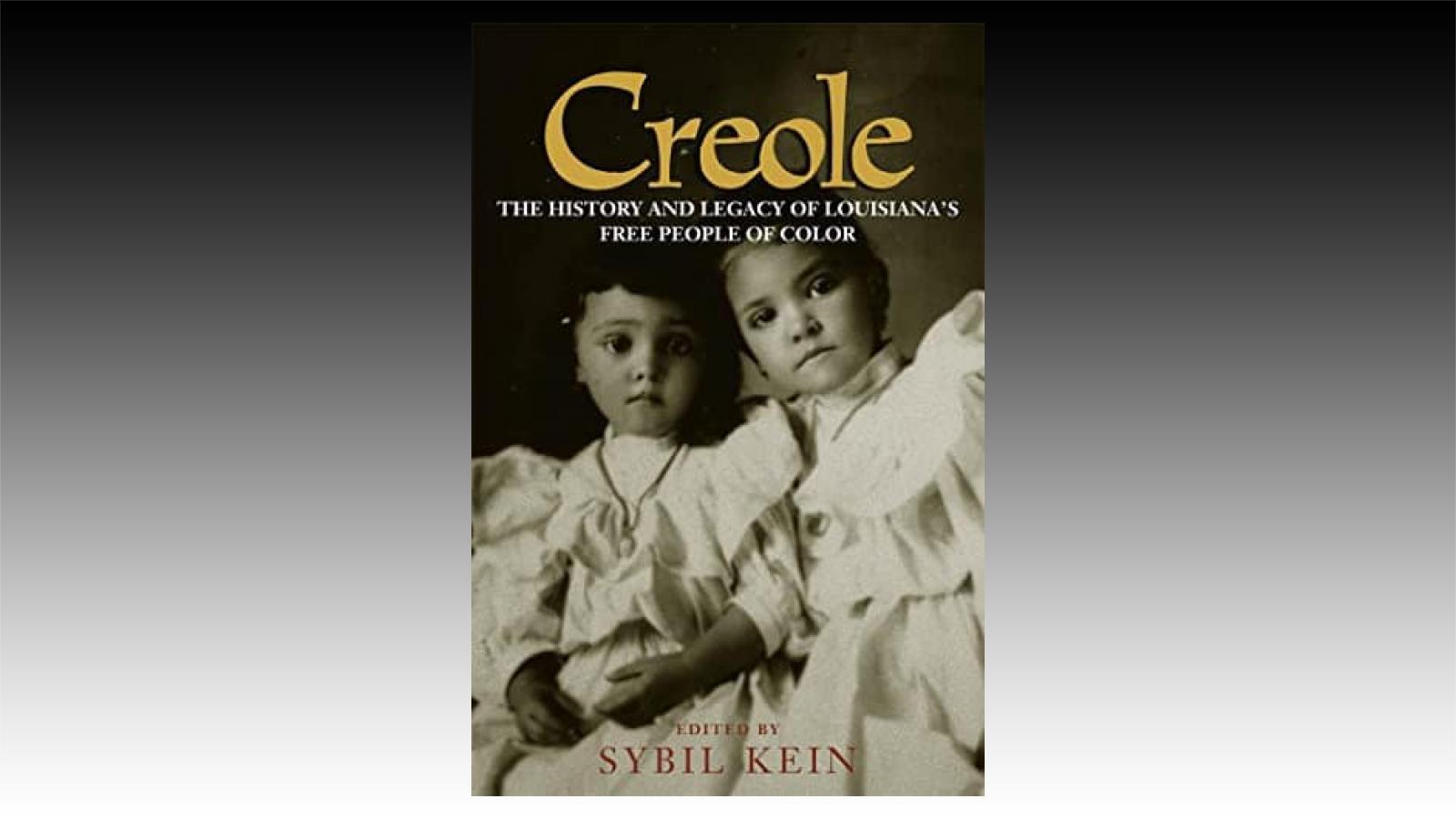
Cet ouvrage collectif, rédigé par des universitaires américains de diverses disciplines (histoire, anthropologie, psychologie, linguistique etc...) permet de connaitre et de comprendre l'origine des Créoles de la Louisiane, pour la plupart Free People of Color (Hommes de couleur libres), ainsi que leur place dans la société louisianaise actuelle...
***
The word "Creole" evokes a richness rivaled only by the term's widespread misunderstanding. Now both aspects of this unique people and culture are given thorough, illuminating scrutiny in Creole, a comprehensive, multidisciplinary history of Louisiana's Creole population. Written by scholars, many of Creole descent, the volume wrangles with the stuff of legend and conjecture while fostering an appreciation for the Creole contribution to the American mosaic.
The collection opens with a historically relevant perspective found in Alice Moore Dunbar-Nelson's 1916 piece "People of Color of Louisiana" and continues with contemporary writings: Joan M. Martin on the history of quadroon balls; Michel Fabre and Creole expatriates in France; Barbara Rosendale Duggal with a debiased view of Marie Laveau; Fehintola Mosadomi and the downtrodden roots of Creole grammar; Anthony G. Barthelemy on skin color and racism as an American legacy; Caroline Senter on Reconstruction poets of political vision; and much more. Violet Harrington Bryan, Lester Sullivan, Jennifer DeVere Brody, Sybil Kein, Mary Gehman, Arthi A. Anthony, and Mary L. Morton offer excellent commentary on topics that range from the lifestyles of free women of color in the nineteenth century to the Afro-Caribbean links to Creole cooking.
By exploring the vibrant yet marginalized culture of the Creole people across time, Creole goes far in diminishing past and present stereotypes of this exuberant segment of our society. A study that necessarily embraces issues of gender, race and color, class, and nationalism, it speaks to the tensions of an increasingly ethnically mixed mainstream America.
- Se connecter ou s'inscrire pour publier un commentaire
- 132 vues

06/07/2026 - 15:28

Lise Brossard
15/05/2026 - 19:21